
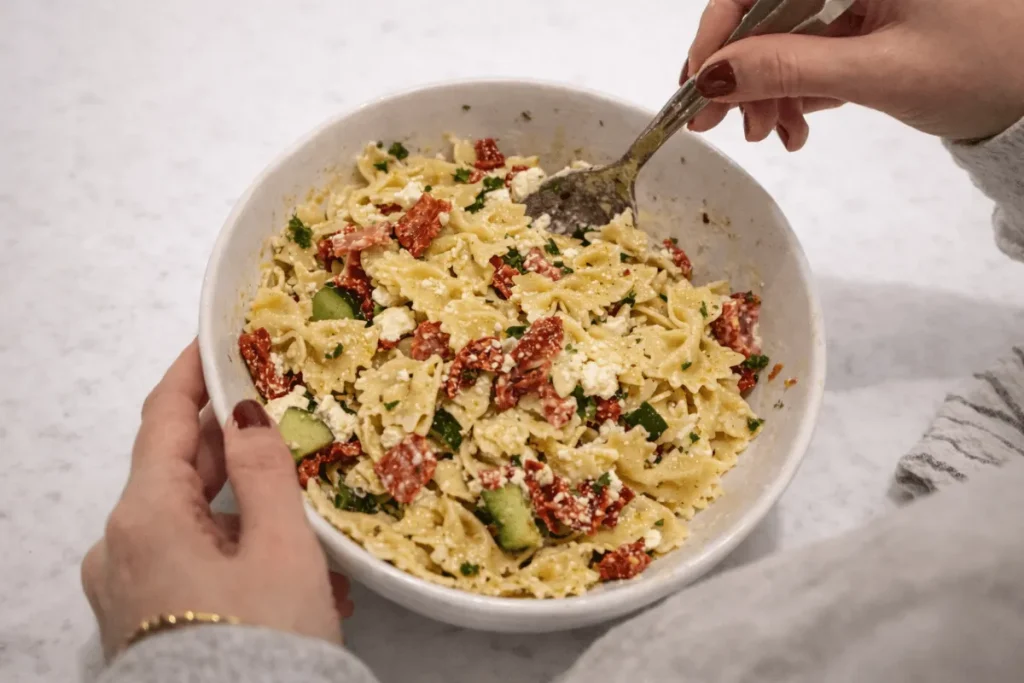
Selecting the right IQF pasta supplier is critical for ensuring consistent product quality, minimizing waste, and maintaining customer satisfaction. In the fast-growing frozen pasta market, brands, restaurants, and retailers rely on suppliers who can deliver Individually Quick Frozen (IQF) pasta that performs reliably every time.
This guide provides a clear framework for evaluating suppliers and making informed, high-stakes decisions.
1. Assess Manufacturing Capabilities
Strong manufacturing capabilities are the foundation of any reliable frozen pasta manufacturer. When vetting suppliers, focus on:
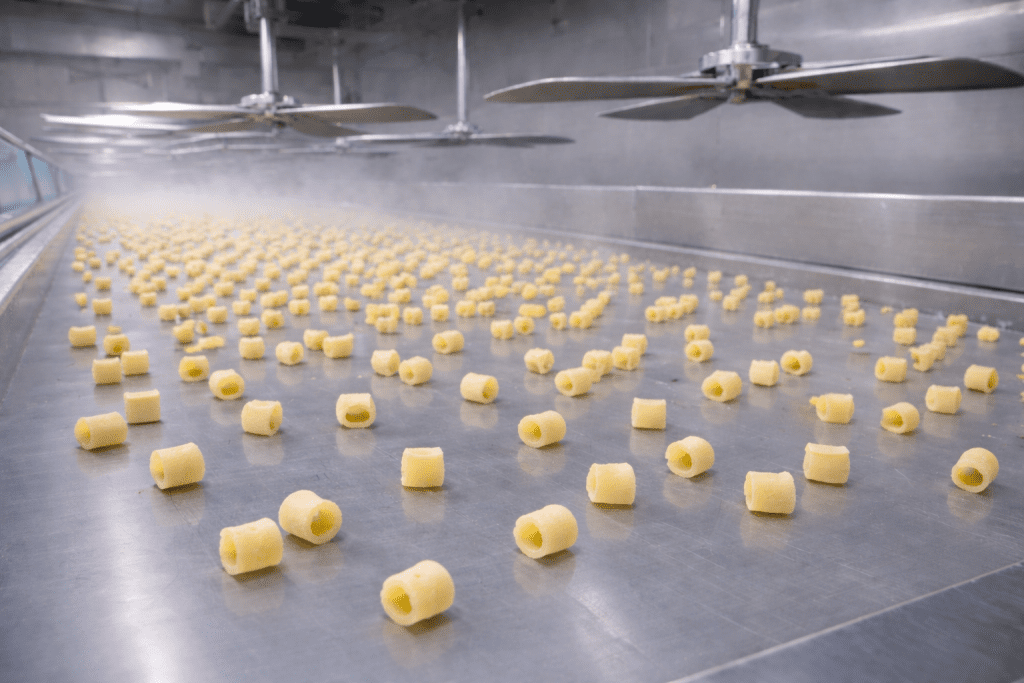
- True IQF Technology: Each pasta piece should be frozen individually to prevent clumping and maintain texture. Small ice crystals preserve bite and sauce absorption.
- Production Capacity and Redundancy: Multiple IQF lines and backup systems ensure continuous production without delays.
- Ingredient Consistency: Stable raw materials to maintain dough elasticity and uniform cooking performance.
- Process Control and Automation: Automated systems and real-time temperature monitoring reduce human error and ensure consistent results at scale.
- Supply Chain Stability: Suppliers should demonstrate the ability to manage logistics across regions, preventing stockouts and protecting launch timelines.
Reliable IQF pasta suppliers combine advanced technology with strong operational processes to deliver products that meet rigorous quality standards.
Explore Our IQF Pasta Collection
Discover fully cooked, individually quick frozen pasta options made for foodservice, ready meals, soups, salads, and more.
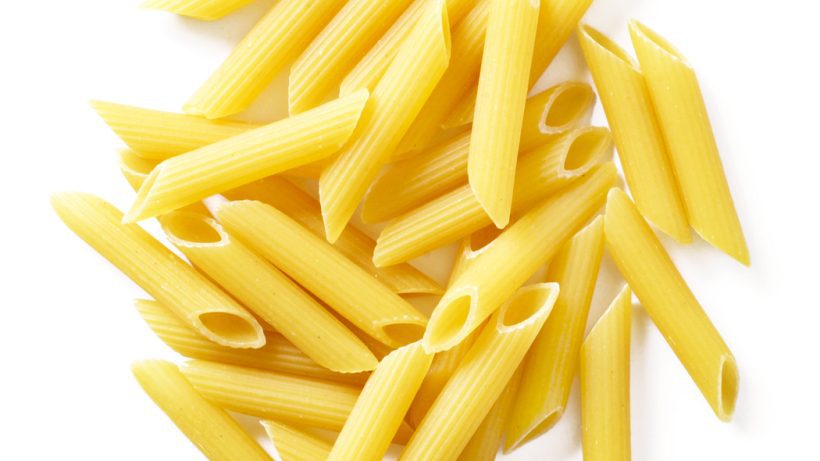
IQF Penne Pasta
Fully cooked IQF penne pasta with excellent texture and easy portion control for prepared meals and hot applications.
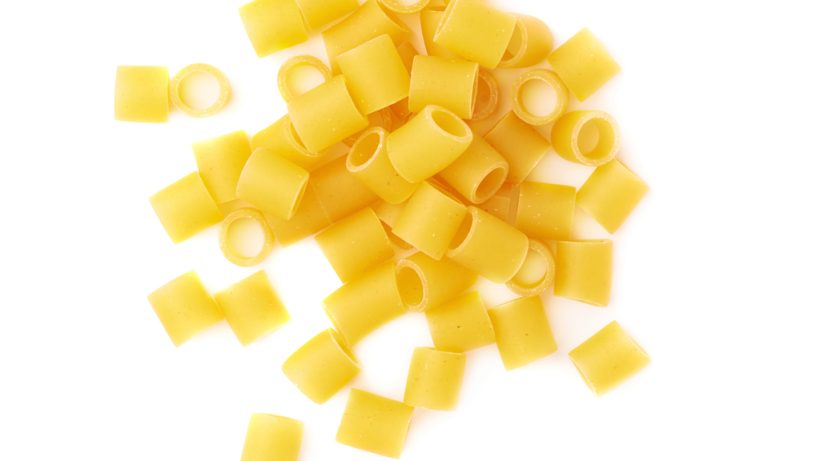
IQF Ditalini Pasta
Pre-cooked IQF ditalini pasta ideal for soups, side dishes, and ready-to-eat food manufacturing.
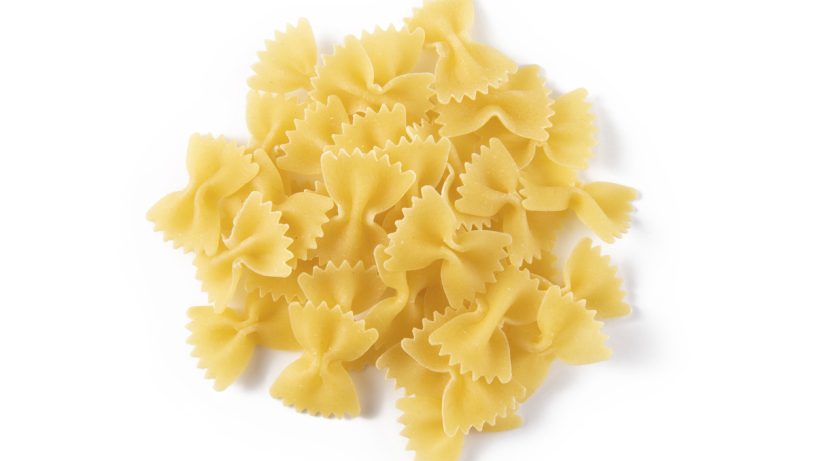
IQF Farfalle Pasta
Ready-to-use IQF farfalle pasta suited for salads, plated meals, and a wide range of foodservice applications.
2. Confirm Food Safety and Compliance
Food safety is non-negotiable. The best IQF pasta manufacturers maintain certifications and controls that minimize risk:
- GFSI-Recognized Certifications: These certifications schemes require structured audits, preventive controls, and continuous improvement.
- HACCP and FSMA Compliance: Facilities producing for the U.S. market must implement preventive controls under FSMA, including hazard analysis, monitoring, and corrective actions.
- Allergen Management: Suppliers should maintain documented segregation procedures and ingredient traceability.
- Traceability: Fast and reliable lot tracking.
Choosing a supplier with robust safety and compliance systems reduces operational risk and ensures consistent, high-quality IQF pasta.
3. Define and Validate Product Quality Standards
Quality must be measurable and validated before committing to a supplier. Key factors include:
- Texture and Cook Level: The pasta should maintain desired texture after reheating under microwave, steam, or sauté conditions.
- IQF Separation and Free-Flow Performance: Pasta should remain loose and free-flowing, with no clumping.
- Piece Integrity and Breakage Tolerance: Breakage reduces yield and visual appeal. Set acceptable thresholds with your supplier.
- Sauce Absorption and Plate Performance: Different sauces require specific absorption characteristics. Conduct real application trials to validate performance.
Rigorous quality validation ensures your end customers receive consistently excellent pasta.
4. Evaluate Range, Formats, and Customization Options
A supplier’s flexibility can accelerate product innovation and simplify procurement:
- Pasta Cuts and Shapes: From penne and fusilli to gluten free options, a broad range allows streamlined sourcing.
- Custom Recipes and Formulations: Whole grains, vegetable blends, and organic options require responsive R&D support.
- Private Label and Co-Branding: Experienced suppliers can support packaging, labeling, and artwork approvals for retail programs.
- Packaging Format Adaptability: Bulk cases, retail-ready pouches, and portion-controlled packs reduce waste and improve operational efficiency.
Suppliers that offer versatility in formats, formulations, and packaging provide a competitive advantage in the frozen pasta market.
5. Verify Supplier Transparency and Technical Support
Strong partnerships require clear communication and technical expertise:
- Documentation and Responsiveness: Timely delivery of specs, certifications, and compliance documents reflects organized systems.
- Culinary and R&D Support: Technical teams should provide guidance on recipe development, pilot runs, and scale-up.
- Change Control and Issue Resolution: Structured systems for ingredient changes and complaints prevent variability and ensure reliability.
Transparent, technically capable suppliers become strategic partners, supporting both innovation and operational consistency.
6. Why the Right IQF Pasta Supplier Matters
The right supplier is more than a vendor—they are a strategic partner:
- Ensure consistent product quality and plate performance
- Support innovation pipelines and new product launches
- Protect supply chain resilience and minimize operational risk
- Maintain compliance, food safety, and traceability
Partnering with an experienced IQF pasta manufacturer safeguards brand reputation, reduces waste, and delivers consistently satisfying products to customers.
Conclusion
Choosing the right IQF pasta supplier requires diligence, testing, and structured evaluation. Focus on manufacturing strength, food safety compliance, measurable product quality, and supplier transparency. By doing so, you select a partner who ensures high-quality, reliable, and safe frozen pasta, every batch, every time.
Seenergy Foods is more than a leading IQF pasta supplier—we’re a strategic partner for foodservice, retail, and industrial clients across North America, with over 30 years of IQF expertise. Contact Seenergy Foods today to discuss and explore our IQF Pasta portfolio and customization options.
FAQs
What does IQF mean?
IQF stands for Individually Quick Frozen, meaning each piece is frozen separately to prevent clumping, preserve texture, flavor, and nutrients, and allow easy portioning.
How can I determine the quality of frozen pasta?
Check for uniform color, firm texture, minimal breakage, and al dente performance after reheating. High-quality IQF pasta should be free-flowing and maintain integrity under cooking conditions.